
Many homeowners assume that regular mopping should keep tile floors looking fresh and clean. But if your floors still appear dull, cloudy, or dirty shortly after cleaning, you’re not alone.
The truth is that mopping often removes surface debris but leaves behind deeper issues that affect how tile and grout look. Over time, buildup, residue, and trapped dirt can make floors appear permanently dirty—even when they’ve just been cleaned.
Understanding why this happens is the first step toward restoring the look of your tile floors.
Soap Residue Is One of the Biggest Culprits
Many common floor cleaners leave behind a thin film after each use. While this may not be noticeable at first, repeated mopping gradually creates a sticky residue layer that traps dirt.
This buildup causes floors to look:
-
Dull or cloudy
-
Streaky after drying
-
Dirty shortly after cleaning
Instead of removing grime, mopping can actually spread residue across the floor, making the problem worse over time.
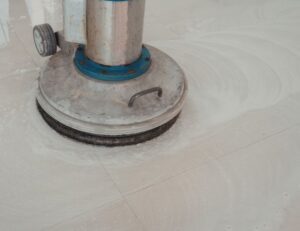
Professional tile cleaning removes this buildup using specialized equipment designed to break down residue and extract contaminants from the tile surface.
Grout Lines Trap Dirt That Mopping Can’t Reach
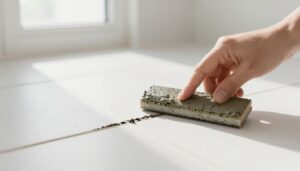
Grout is naturally porous, which means it absorbs dirt, oils, and cleaning chemicals over time.
Even when tile surfaces look clean, dark grout lines can make the entire floor appear dirty.
Standard mopping usually pushes dirty water into grout lines rather than pulling contamination out.
This is why homeowners often notice:
-
Grout lines turning darker over time
-
Floors looking dirty even after cleaning
-
Discoloration spreading across high-traffic areas
Professional grout services use high-pressure extraction and specialized cleaners to remove embedded dirt and restore the original grout color.
Dirty Mop Water Can Re-Deposit Dirt
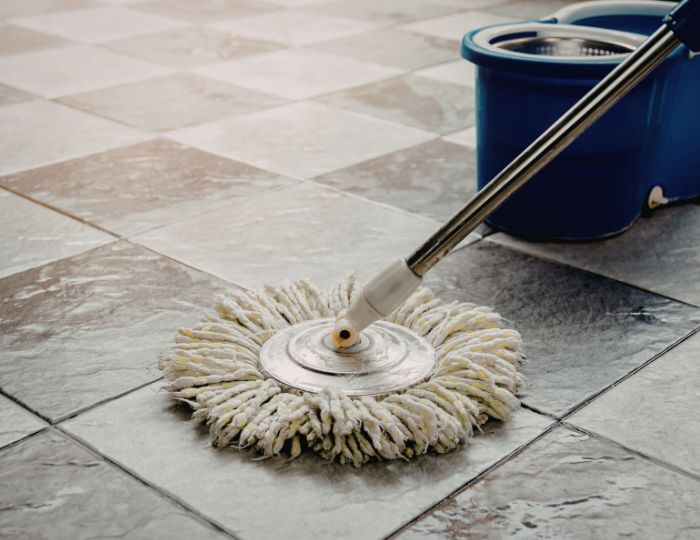
Another common issue is that mops often reapply dirty water across the floor.
When a mop becomes saturated with grime, each pass spreads contaminants instead of removing them. This leaves behind a thin film of dirt that becomes visible once the floor dries.
High-traffic areas such as kitchens, hallways, and bathrooms are especially vulnerable to this issue.
A deep professional tile restoration process can remove layers of trapped soil and restore the original appearance of heavily used tile floors.
Different Tile Materials Require Different Care
Not all tile surfaces behave the same way. Ceramic, porcelain, and natural stone tiles each require slightly different cleaning and maintenance methods.
For example:
-
ceramic tile services often focus on grout cleaning and surface residue removal
-
porcelain tile services may involve removing embedded grime from microscopic surface pores
Using the wrong cleaning products or techniques can leave tile looking hazy or worn.
A professional evaluation ensures the correct approach is used for your specific tile material.
Sealing Helps Keep Tile and Grout Cleaner Longer
Once tile and grout are thoroughly cleaned, sealing is often recommended to help protect the surface.
Professional tile sealing creates a protective barrier that reduces how easily dirt, moisture, and stains penetrate grout lines.
Benefits of sealing include:
-
Easier routine cleaning
-
Slower dirt buildup
-
Longer-lasting grout color
-
Reduced staining
Sealing doesn’t eliminate cleaning needs, but it significantly improves how well tile floors hold their appearance.
When It’s Time for Professional Tile Cleaning
If your tile floors never seem to look fully clean despite regular mopping, deeper buildup is likely the issue.
Professional tile and grout cleaning uses specialized equipment that:
-
Breaks down soap residue and grime
-
Extracts contaminants from grout pores
-
Restores the natural appearance of tile surfaces
You can also view examples of restored floors in the company’s project gallery to see the dramatic difference professional cleaning can make.
If your floors have years of buildup or discoloration, professional cleaning and restoration can often bring them back to life.
TL;DR / Key Takeaways
-
Tile floors may look dirty after mopping because of soap residue buildup.
-
Grout lines absorb dirt that standard mopping cannot remove.
-
Dirty mop water can spread grime instead of removing it.
-
Ceramic and porcelain tiles require specific cleaning methods.
-
Professional cleaning and sealing help restore and protect tile floors long-term.