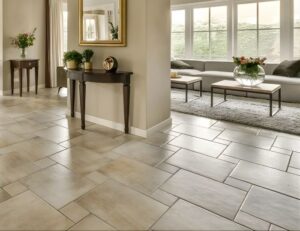

Natural stone floors bring durability, elegance, and long-term value to homes and commercial spaces. However, one of the most important choices when installing or restoring stone flooring is the finish.
Two of the most common options are honed and polished finishes. While both can look beautiful, they offer different appearances, maintenance needs, and performance characteristics.
Understanding the difference helps homeowners choose the finish that best fits their lifestyle and space.
What Is a Honed Stone Finish?
A honed finish creates a smooth, matte surface without the high shine often associated with stone.
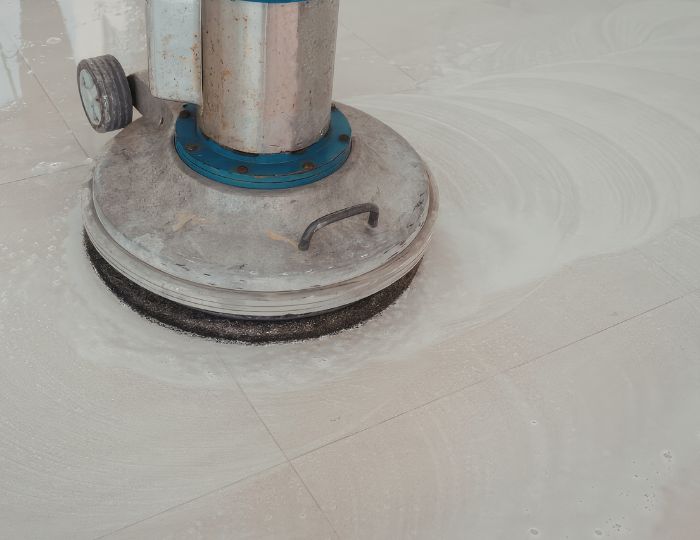
During the honing process, the stone is ground with abrasive pads until it becomes flat and smooth, but the polishing stage that creates reflection and gloss is intentionally skipped.
Honed stone is commonly used on:
-
Marble floors
-
Travertine flooring
-
Limestone surfaces
-
Some granite installations
Because it has a softer, matte appearance, honed stone tends to hide minor scratches and wear better than highly polished surfaces.
Homeowners often choose honed finishes for spaces that prioritize a natural, understated look.
Stone surfaces that have become worn or uneven can often be restored to a honed finish through professional stone restoration.
What Is a Polished Stone Finish?
A polished finish creates the high-gloss, reflective look many people associate with luxury stone surfaces.
After the stone is honed, technicians use progressively finer abrasives to refine the surface until it becomes smooth enough to reflect light.
This process enhances:
-
Color depth
-
Pattern visibility
-
Surface shine
Many materials respond especially well to polishing, including:
Professional stone polishing can restore shine to dull or worn floors and remove surface etching or scratches.
Appearance Differences Between Honed and Polished Stone
The biggest difference between these finishes is how they reflect light.
Honed stone:
-
Matte or satin appearance
-
Minimal reflection
-
Soft, natural look
-
Hides scratches better
Polished stone:
-
Glossy, reflective surface
-
Highlights color and veining
-
Creates a more dramatic visual effect
-
Often appears brighter and more luxurious
Many homeowners choose honed finishes for a modern or rustic aesthetic, while polished finishes are often used in more traditional or high-end spaces.
Which Finish Is Easier to Maintain?
Maintenance is another factor that influences which finish works best in a home.
Polished stone tends to repel dirt slightly better because its surface is smoother and less porous.
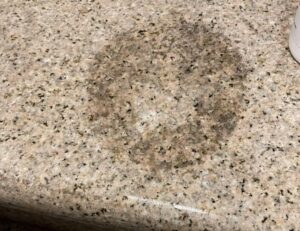
However, polished surfaces can show:
-
Etching on marble or limestone
-
Surface scratches
-
Water spots
Honed stone may require slightly more frequent cleaning but tends to hide everyday wear more effectively.
Regular professional stone maintenance helps both finishes stay in excellent condition.
Where Each Finish Works Best
Certain areas of the home may benefit more from one finish over the other.
Honed stone is often preferred for:
-
High-traffic flooring
-
Bathrooms
-
Kitchens
-
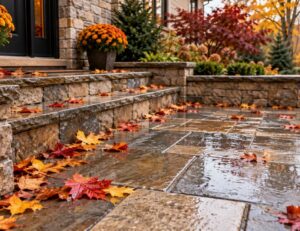
Outdoor stone surfaces
Materials like limestone floors and travertine are commonly honed because the matte finish provides better traction.
Polished stone is often ideal for:
-
Entryways
-
Formal living spaces
-
Feature floors
-
Decorative stone installations
Both finishes can work beautifully when matched with the right stone type and environment.
Can You Change the Finish Later?
Yes—one of the advantages of natural stone is that the finish can often be modified through professional restoration.
If a polished floor becomes heavily scratched or etched, technicians may refinish it to a honed surface. Likewise, a dull honed floor can be polished to bring back a reflective shine.
Professional services may include:
-
Deep stone cleaning
-
Surface grinding to remove damage
-
Refinishing and stone polishing
-
Protective sealing
You can also explore examples of restored stone surfaces in the company’s project gallery to see how professional refinishing can dramatically transform worn floors.
Choosing the Right Finish for Your Stone Floors
The best finish ultimately depends on how the space is used and the look you prefer.
Homeowners who want a low-gloss, natural appearance often prefer honed stone. Those seeking a luxurious, reflective finish typically choose polished stone.
A professional evaluation can help determine the best finish for your specific stone type and environment.
Whether you’re installing new stone floors or restoring older surfaces, the right finish can make a dramatic difference in both appearance and long-term durability.
TL;DR / Key Takeaways
-
Honed stone has a matte, non-reflective finish that hides scratches and offers a natural look.
-
Polished stone creates a glossy, reflective surface that enhances color and veining.
-
Honed finishes are often preferred in high-traffic areas, while polished finishes are popular in decorative spaces.
-
Both finishes require proper maintenance to preserve their appearance.
-
Professional restoration can often change or restore the finish of existing stone floors.