
Natural stone floors are an investment. Whether in a Cleveland-area home, medical office, retail space, or commercial building, stone adds durability, elegance, and long-term value.
But here’s the question most property owners don’t ask soon enough:
How often should stone floors actually be professionally maintained?
Too little maintenance leads to staining, etching, dullness, and expensive restoration. Too much unnecessary service wastes money. The key is knowing the right schedule based on traffic, stone type, and environment.
Let’s break it down.
Why Professional Maintenance Matters
Daily mopping and basic cleaning are important—but they don’t replace professional care.
Over time, even properly sealed stone will experience:
-
Micro-scratching from foot traffic
-
Soil buildup in grout lines
-
Loss of shine
-
Surface etching (especially marble and limestone)
-
Sealant breakdown
Routine professional Stone Cleaning removes embedded contaminants that household or janitorial cleaning leaves behind.
Without it, surfaces slowly degrade until full Stone Restoration becomes necessary.
Maintenance Frequency for Residential Properties
For most Cleveland homeowners, maintenance needs depend on usage.
Low-Traffic Areas (Formal Living Rooms, Guest Bathrooms)
Professional service every 18–24 months is typically sufficient.
Moderate-Traffic Areas (Kitchens, Hallways, Primary Bathrooms)
Plan for professional cleaning every 12–18 months.
High-Traffic Areas (Entryways, Mudrooms, Open Floor Plans)
Service every 6–12 months helps prevent visible wear patterns.
Homes with marble, travertine, or limestone may require more frequent Stone Polishing to maintain gloss.
If your floors look dull but aren’t heavily damaged, polishing may be all that’s needed—rather than full restoration. (If you’re unsure of the difference, the guide on Cleaning vs Polishing can help clarify.)
Maintenance Frequency for Commercial Properties
Commercial environments require more aggressive scheduling.
Retail & Office Spaces
Professional maintenance every 6–12 months is common, depending on foot traffic.
Medical Facilities & High-Volume Buildings
Quarterly or biannual service may be necessary to preserve safety and appearance.
Restaurants & Hospitality
Stone floors exposed to grease, spills, and moisture may require more frequent deep cleaning and sealing.
In commercial settings, preventative care is far more cost-effective than waiting for visible deterioration.
Routine Stone Maintenance protects your brand image and reduces liability risks associated with worn or uneven surfaces.
Don’t Forget Grout and Tile
Stone floors often include grout lines or tile sections that need their own maintenance schedule.
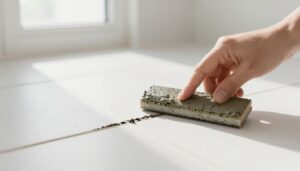
Dirty or deteriorating grout can make even clean stone look neglected. Services like Grout Services and professional Tile Cleaning help maintain a uniform, refreshed appearance.
If grout becomes cracked or compromised, addressing it early prevents moisture intrusion and more costly repairs later.
Sealing: How It Impacts Maintenance Timing
Sealing doesn’t eliminate the need for professional care—it extends the life of your stone between services.
Most natural stone should be evaluated for Stone Sealing every 1–3 years depending on:
-
Stone type
-
Traffic levels
-
Exposure to moisture
-
Cleaning methods used
High-porosity materials like limestone and travertine may require more frequent attention than dense granite.
If you’re unsure whether your floors are properly sealed, reviewing the broader importance of sealing natural stone can help you understand why this step is critical.
Signs It’s Time for Professional Service
You may not know your exact maintenance schedule—but your floors will tell you when attention is needed.
Watch for:
-
Dull appearance
-
Uneven shine
-
Water absorbing quickly instead of beading
-
Visible etching or light scratches
-
Darkened grout lines
-
Stains that don’t lift with regular cleaning
When these signs appear, scheduling professional service quickly can prevent escalation into full resurfacing.
You can also review completed transformations in the Gallery to see what proactive maintenance achieves.
Preventative Maintenance vs. Full Restoration
The cost difference between routine care and delayed restoration can be significant.
Preventative maintenance:
-
Preserves finish
-
Extends stone lifespan
-
Reduces long-term repair costs
-
Maintains property value
Full restoration:
-
Requires grinding or resurfacing
-
Takes longer
-
Costs more
-
Often results from deferred maintenance
For both homeowners and business owners throughout Cleveland and surrounding service areas, the smarter strategy is consistency.
You can confirm service coverage and scheduling availability on the Service Areas page.
If you’d like a professional assessment of your floors and a recommended maintenance schedule, reach out directly through the Contact Page.
TL;DR / Key Takeaways
-
Most Cleveland homes need professional stone maintenance every 6–24 months depending on traffic.
-
Commercial properties often require service every 3–12 months.
-
Regular cleaning prevents costly full restoration.
-
Polishing restores shine; restoration addresses deeper damage.
-
Sealing extends protection but doesn’t replace maintenance.
-
Preventative care protects both property value and long-term budgets.