
Stone Cleaning vs Polishing vs Restoration: What’s the Difference (and Which One Do You Need)?
If your stone or tile looks dull, scratched, stained, or “just not like it used to,” the hardest part isn’t finding a solution — it’s figuring out what kind of service you actually need.
Homeowners often search for things like:
- “stone floor cleaning near me”
- “how to make marble shine again”
- “tile floor looks cloudy”
- “scratches in travertine”
- “grout is dirty no matter what I do”
And the advice online usually mixes everything together.
At Stone Medics, we separate the work into three categories for a reason:
- cleaning
- polishing
- restoration
Each one solves a different problem. Choosing the right one saves you money, protects your stone, and gets better results faster.
If you want a quick overview of the exact comparison, start here: Cleaning vs Polishing
Why your stone still looks “dirty” after you clean it
A lot of surfaces don’t look bad because they’re dirty. They look bad because they’re damaged.
That’s especially true for:
- marble
- travertine
- limestone
- slate
- terrazzo
- polished tile
These surfaces can develop:
- microscopic scratches
- worn-down shine
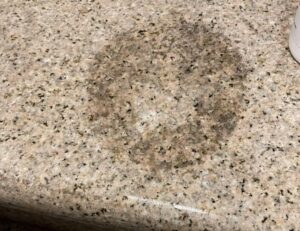
- etching (dull spots from acids)
- embedded grime in pores
- cloudy buildup from the wrong cleaners
That’s why DIY cleaning can feel like it “works”… but the surface still looks dull or uneven when the light hits it.
If you’re dealing with dullness more than dirt, polishing or restoration is usually the missing step.
Stone cleaning: what it fixes (and what it doesn’t)
Stone cleaning is the right choice when the surface is structurally fine, but has:
- embedded dirt and grime
- film buildup from cleaners
- general dullness from residue
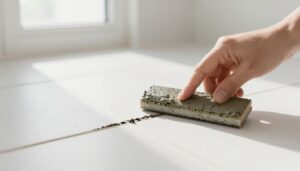
- darkened grout lines
- traffic lane discoloration
Cleaning is usually the right first move for:
- routine stone maintenance
- pre-sealing prep
- tile and grout refreshes
- surfaces that haven’t been cleaned professionally in years
If your primary issue is grime or buildup, Stone Medics offers dedicated Stone Cleaning and Tile Cleaning services.
For tile floors where the grout is the biggest issue, you may also want to explore Grout Services.
Signs you need cleaning (not polishing)
- The surface looks better when wet, but dull again when dry
- The stone feels sticky, hazy, or “coated”
- Grout lines are dark even after mopping
- The floor looks uneven in traffic lanes, but doesn’t feel scratched
Stone polishing: what it fixes (and why it makes a bigger visual difference)
Polishing is about restoring shine and clarity by refining the surface.
It’s not “waxing.” It’s not a coating. True polishing corrects the surface itself.
Polishing is best when you have:
- dull stone
- loss of reflectivity
- mild etching
- light surface wear
- a finish that looks “tired” but not deeply scratched
Stone Medics offers professional Stone Polishing and Stone Polishing is often the step that makes customers say “it looks brand new again.”
Polishing is also commonly paired with sealing for longer-lasting results. If you’re unsure about sealing timing, read Is Sealing Stone Surfaces Necessary?
Signs you need polishing
- The stone is clean, but still looks dull
- You see cloudy patches or light etching
- The surface has a “washed out” look under lighting
- The finish looks uneven from room to room
For natural stone types that commonly need polishing, see:
Stone restoration: when cleaning and polishing aren’t enough
Restoration is what you need when the surface has real damage — not just dirt or dullness.
Restoration may involve honing, resurfacing, and repairing issues like:
- scratches you can feel
- heavy etching
- lippage (uneven tile edges)
- worn-down finish in traffic areas
- surface pitting
- damage from water intrusion
- deep staining that won’t lift with normal cleaning
Stone Medics provides full Stone Restoration for floors, showers, countertops, and more.
If your stone is outdoors or weather-exposed, restoration needs are different — this article breaks it down:
How to Restore Exterior Stone
Signs you need restoration
- Scratches show up no matter how much you clean
- The stone looks uneven or blotchy under light
- Etching is widespread (not just one spot)
- You have chips, cracks, or worn-down areas
- You want a true “like new” finish again
If you’re seeing damage specifically on marble, these two guides help you self-diagnose quickly:
- How to Identify When Your Marble Needs Professional Restoration
- Why You Should Trust Professional Restoration for Your Marble Countertops
Tile floors: when it’s cleaning vs polishing vs restoration
Tile has its own set of problems because there are two surfaces:
- the tile itself
- the grout lines
If you’re dealing with grout issues, you’ll usually get better results with tile + grout services rather than focusing only on the tile.
Here are common tile scenarios and what typically helps:
“My grout keeps cracking”
Start here: Quick Fixes for Cracked Grout on Bathroom Tile Floors
Then explore: Grout Services
“My tile looks cloudy even after mopping”
That’s often residue or buildup — start with: Tile Cleaning
“My tile is dull and worn, but not dirty”
You may need polishing depending on the tile type. If you’re unsure, compare: Cleaning vs Polishing
“My tile edges feel uneven”
That’s often a restoration issue — see: Tile Restoration
Countertops: the most common mistake homeowners make
Countertops are where people accidentally cause damage with the wrong products.
If you’re dealing with stains, start here:
Can I Remove a Stain from My Stone Countertop?
If you’re dealing with overall wear or dullness, this guide is the best fit:
How to Restore Stone Countertops
And if your countertop is marble specifically, water exposure can create long-term problems that look like “cloudiness” or discoloration:
How Water Damage Affects Marble and How Restoration Can Fix It
Sealing: where it fits into cleaning, polishing, and restoration
Sealing is important — but it’s not a fix for everything.
Sealing helps resist absorption (staining). It does not magically restore shine or remove scratches.
If you want the best sealing guidance, these two articles cover it clearly:
If you’re ready to seal after service, Stone Medics also offers:
Stone Sealing and Tile Sealing
What service do you actually need? (Simple decision guide)
If you want a quick way to decide:
Choose cleaning if…
- The surface looks dirty, grimy, sticky, or hazy
- Grout lines are dark
- You haven’t had a professional cleaning in years
Start here:
Choose polishing if…
- The surface is clean but dull
- Shine is gone in traffic areas
- You have mild etching or cloudy patches
Start here:
Choose restoration if…
- Scratches and wear are visible no matter what
- Etching is widespread
- The finish is uneven or damaged
Start here:
Serving Cleveland and surrounding areas
If you’re in the Cleveland area and want professional help with stone floors, tile, grout, or countertops, Stone Medics serves a wide local area.
You can start with:
Or browse the full list here:
Service Areas
Conclusion: get the right fix the first time
The biggest mistake homeowners make is paying for the wrong solution.
Cleaning removes grime. Polishing restores shine. Restoration repairs damage.
Once you know which category you’re in, the path forward gets a lot easier — and the results look dramatically better.
If you want help choosing the right service, Stone Medics can recommend the best option based on your surface type and the finish you want to maintain.
Learn more about the team here: About Us
See results from real customers: Reviews
View recent work: Gallery
Reach out to schedule service: Contact
TL;DR / Key Takeaways
- Cleaning removes grime and buildup, especially in grout lines and traffic lanes
- Polishing restores shine and clarity when the surface is clean but dull
- Restoration fixes real damage like scratches, heavy etching, uneven tile edges, and worn finishes
- Sealing helps prevent stains, but won’t restore shine or remove scratches
- If you’re unsure, start with Cleaning vs Polishing and go from there